Discover Bangladesh through Jamdani, Jute & Nakshi Kantha
If you wish to Discover Bangladesh beyond its iconic landmarks, meandering rivers, captivating wildlife, and historical cities, a Bangladesh craft experience offers a deeply personal insight into the country.
Bangladesh boasts a rich tapestry of handloom weaving, embroidery, natural-fibre crafts, and traditional artistic practices. These cultural heritage expressions open doors for foreign visitors to engage with artisans, observe ancient techniques, delve into the narratives surrounding diverse crafts, and, where appropriate, acquire locally crafted items.
A thoughtfully curated Bangladesh craft experience may incorporate:
- Jamdani weaving
- Jute craftsmanship
- Nakshi Kantha embroidery
- Shital Pati weaving
- Tangail saree weaving
- Bamboo and cane crafts
- Traditional pottery and terracotta
- Dhaka rickshaw painting
- Artisan workshops
- Community-based cultural engagements
Many of Bangladesh’s craft traditions have gained international recognition. The current UNESCO Intangible Cultural Heritage list features Traditional Art of Jamdani Weaving (2013), Traditional Art of Shital Pati Weaving of Sylhet (2017), Rickshaws and Rickshaw Painting in Dhaka (2023), and Traditional Saree Weaving Art of Tangail (2025).
For international tour operators, these unique crafts serve as the bedrock for creating specialized cultural, textile, photography, academic, and slow-travel programs.
What Makes a Bangladesh Craft Experience Special?
Whereas a standard sightseeing tour focuses on places, a craft experience allows visitors to connect with the people and skills that imbue those places with life.
Beyond merely purchasing a finished textile, visitors can potentially:
- Watch an artisan at work.
- Understand the process of creating traditional products.
- Learn the history and cultural significance of a craft.
- Discover unique motifs and techniques.
- Interact directly with craftspeople to ask questions.
- Participate in introductory workshops.
- Purchase handmade products through responsible channels.
- Gain insight into the local livelihoods supported by these crafts.
This makes craft tourism especially appealing to travelers who value authenticity, cultural learning, and meaningful connections.
Who Can Benefit from Craft Tourism?
| Traveller Segment | Potential Interest |
| Textile enthusiasts | Handloom and traditional weaving |
| Fashion designers | Fabrics, motifs, and techniques |
| University groups | Heritage, anthropology, and design |
| Photographers | Artisan workshops and rural life |
| Cultural travellers | Living traditions |
| Senior travellers | Slow-paced cultural experiences |
| Luxury travellers | Bespoke textile and artisan experiences |
| Ethical travellers | Local and responsible purchasing |
| Tour operators | Specialist cultural products |
Jamdani: A Signature Bangladesh Craft Experience
UNESCO-Recognized Intangible Cultural Heritage
Jamdani stands as one of Bangladesh’s most globally acclaimed textile traditions.
The Traditional Art of Jamdani Weaving was inscribed on UNESCO’s Representative List of the Intangible Cultural Heritage of Humanity in 2013. UNESCO describes Jamdani as an exquisite cotton textile traditionally crafted on handlooms, with the knowledge and techniques passed down through weaving communities around Dhaka.
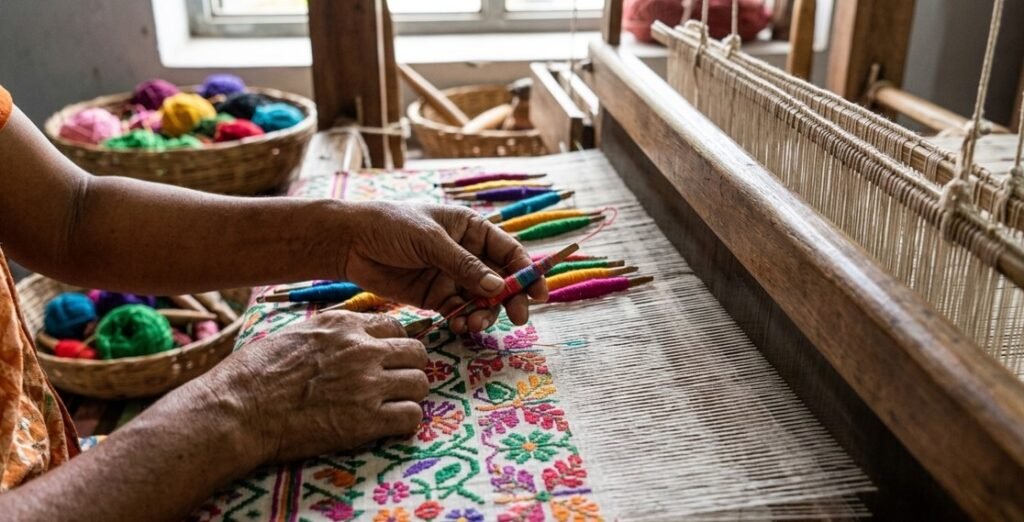
The painstaking process is incredibly labour-intensive due to the intricate patterns woven directly on the loom.
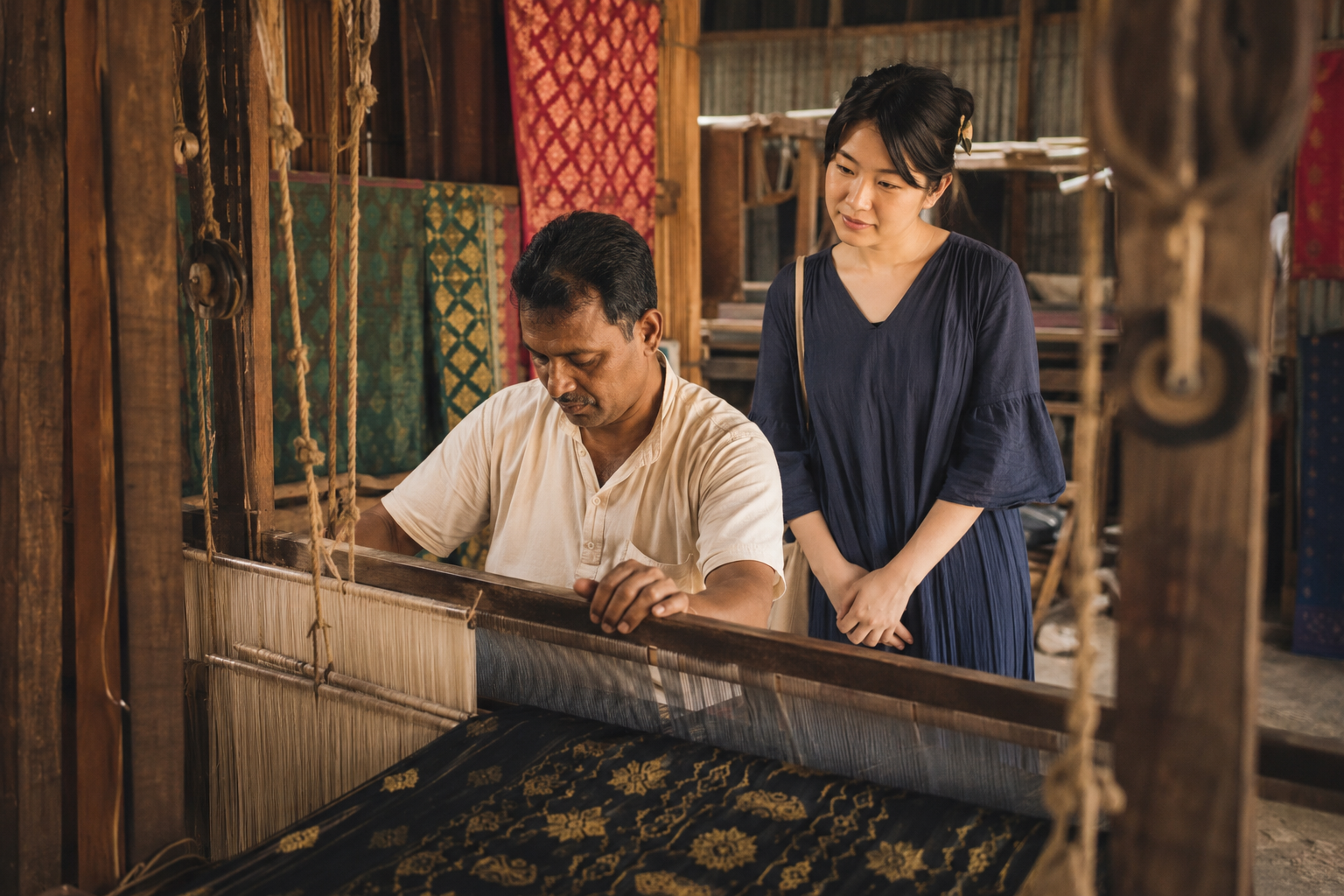
For visitors, this transforms Jamdani into more than a mere shopping endeavor; it becomes a profound opportunity to witness a living tradition in motion.
What Can Visitors Experience?
A professionally designed Jamdani tour can include:
- Visit an artisan’s workshop.
- Observe handloom weaving techniques.
- Learn how motifs are meticulously created.
- Understand the weaving process.
- Meet and interact with experienced weavers.
- Discover the cultural history behind Jamdani.
- View both traditional and contemporary patterns.
- Purchase textiles through ethically approved channels.
Where Can Visitors Experience Jamdani?
The heart of traditional Jamdani weaving is the Dhaka region, specifically in areas like Rupganj and Narayanganj.
For international groups, workshop selections should consider:
- Accessibility for the group.
- Group size and dynamics.
- Availability of artisans.
- Permission for photography.
- Authenticity of the experience.
- Respectful visitor conduct.
Why Jamdani Is Valuable for Foreign Tour Operators
Jamdani offers a compelling product for various specialized travel programs:
| Tour Type | Jamdani Experience |
| Textile Tour | In-depth weaving demonstrations |
| Fashion Tour | Fabrics, motifs, and design focus |
| Photography Tour | Artisan and loom photography |
| University Tour | Textile heritage research |
| Cultural Tour | Living Bengali tradition |
| Luxury Tour | Premium handwoven textiles |
| Slow Travel | Extended artisan interaction |
The power of Jamdani for operators lies in its ability to seamlessly weave together craftsmanship, cultural heritage, and deeply human stories into a singular experience.
Jute:Discover Bangladesh Through the Golden Fibre
Jute holds a significant place in Bangladesh’s agricultural, industrial, and craft landscape.
Known as the “golden fibre,” jute is a renewable natural fibre derived from the jute plant.
According to the Bangladesh Investment Development Authority (BIDA), Bangladesh is the second-largest jute-producing country globally, with annual output estimated at around 1.6 million tonnes in 2019. BIDA also ranks Bangladesh as a leading exporter of raw jute and jute-based products.
Today, jute is used to create a diverse array of products beyond traditional packaging:
- Bags
- Baskets
- Mats
- Rugs
- Home décor
- Accessories
- Rope and twine
- Fashion items
- Diversified handicrafts
This provides visitors with a tangible connection to how a raw agricultural material transforms into beautiful, functional craft products.
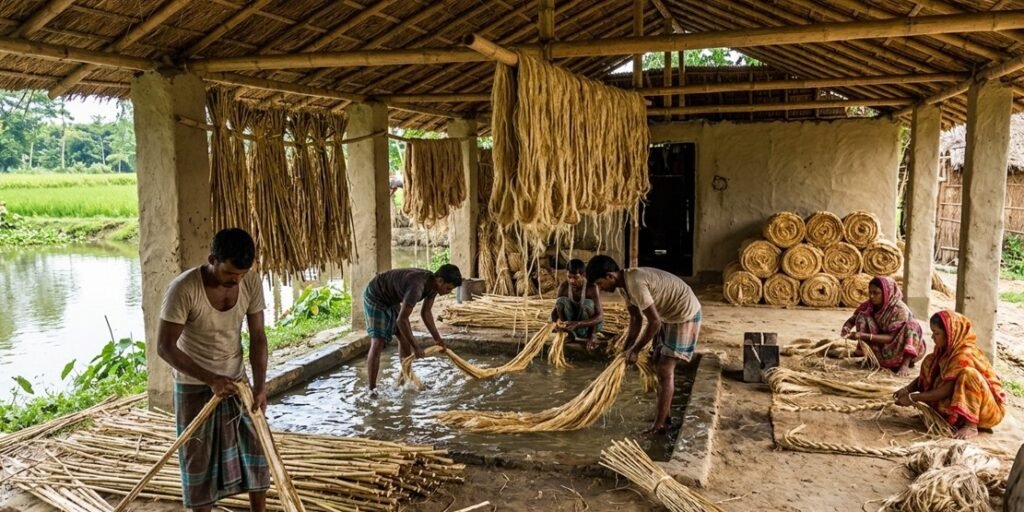
What Can Visitors Experience During a Jute Tour?
A Bangladesh craft experience centered on jute can involve:
- Visiting a jute workshop.
- Learning about the properties of jute fibre.
- Observing traditional processing methods.
- Witnessing the creation of handmade jute items.
- Meeting craft producers.
- Exploring contemporary jute designs.
- Understanding the use of natural materials.
- Purchasing locally made jute products.
For international travelers, this experience bridges agriculture, natural resources, craftsmanship, and contemporary design. It is particularly relevant for:
- Designers
- Eco-conscious travelers
- Fashion groups
- University students
- Buyers of sustainable products
- Cultural travelers
Nakshi Kantha: Storytelling Through Needle and Thread
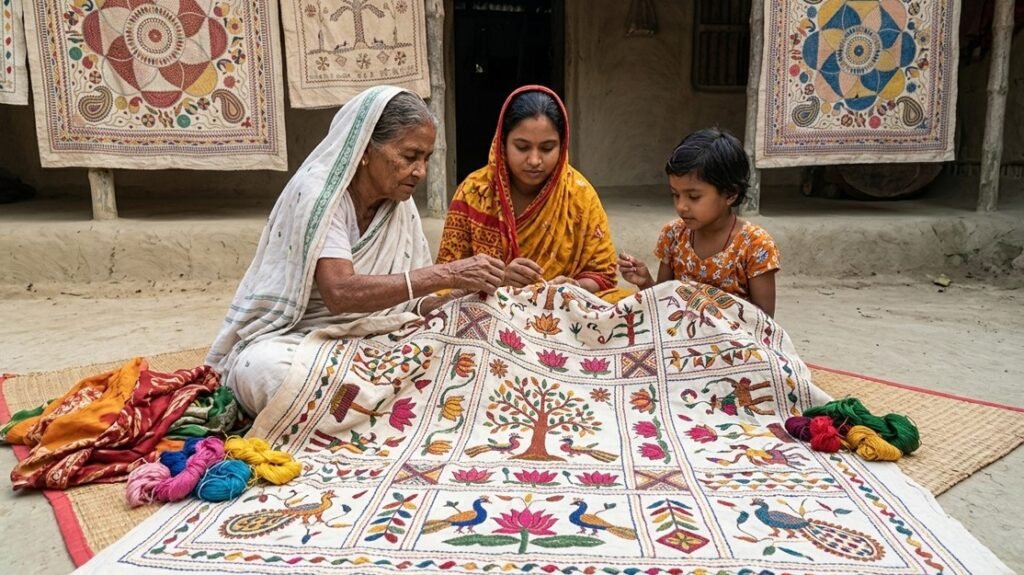
Nakshi Kantha is one of Bangladesh’s most well-known traditional textile art forms, characterized by its exquisite embroidered storytelling.
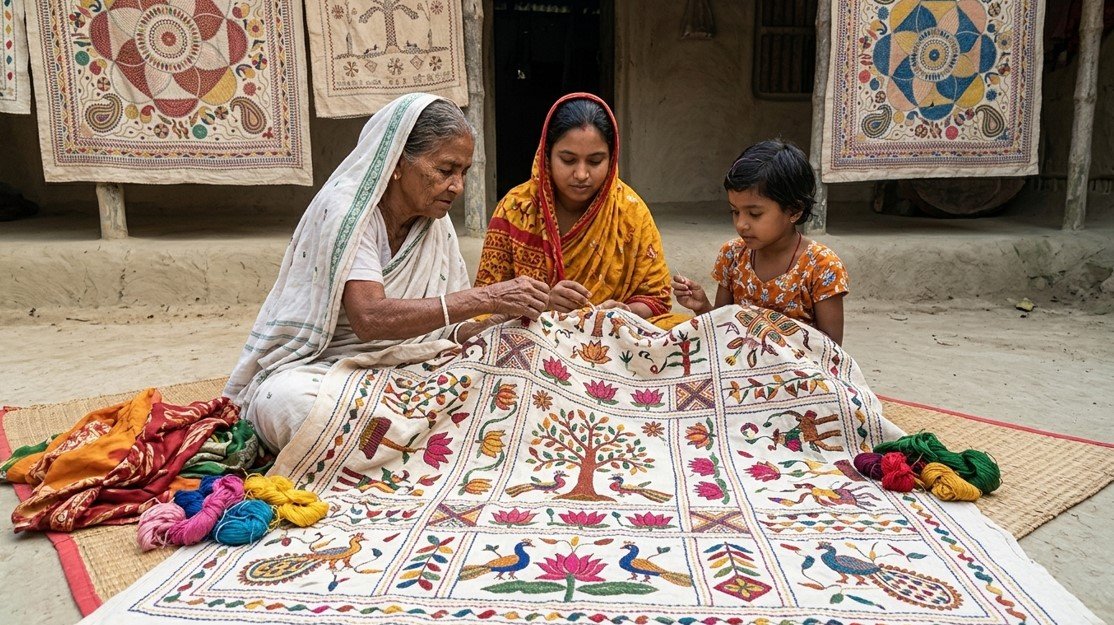
Historically, kantha involves layering cloth and stitching them together, with decorative embroidery transforming plain fabric into visual narratives.
Traditional motifs often include:
- Flowers
- Birds
- Fish
- Trees
- Rural life scenes
- Geometric patterns
- Everyday objects
- Elements of nature
The appeal for visitors lies not just in the finished product, but in understanding the process, symbolism, and personal stories embedded within each piece.
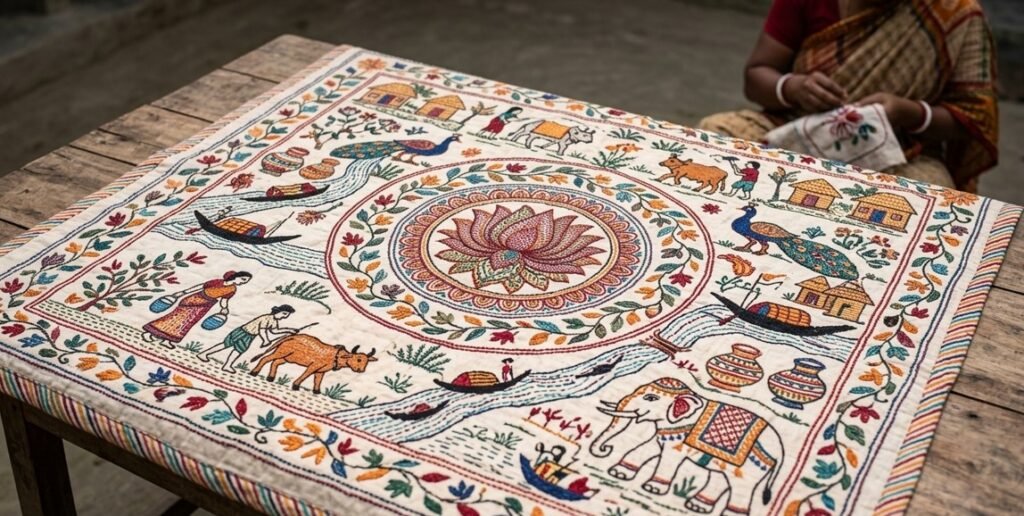
What Can Visitors Do During a Nakshi Kantha Experience?
An appropriate artisan visit can encompass:
- Observing hand embroidery in progress.
- Learning about traditional motifs.
- Meeting local artisans.
- Watching stitching techniques firsthand.
- Understanding the concept of reusing fabric.
- Participating in a simple embroidery activity.
- Purchasing handmade kantha items.
This type of Bangladesh craft experience is ideal for smaller groups, allowing for more personal interaction with the artisans.
It can also effectively complement:
- Rural tourism
- Visits focusing on women’s enterprise
- Photography tours
- Textile programs
- Slow travel
- University field research trips
Note: Nakshi Kantha should be presented as a significant Bangladeshi craft tradition, rather than claiming UNESCO inscription unless a specific UNESCO listing is in place for this art form.
Shital Pati:Discover Bangladesh Through Sylhet’s Traditional Weaving
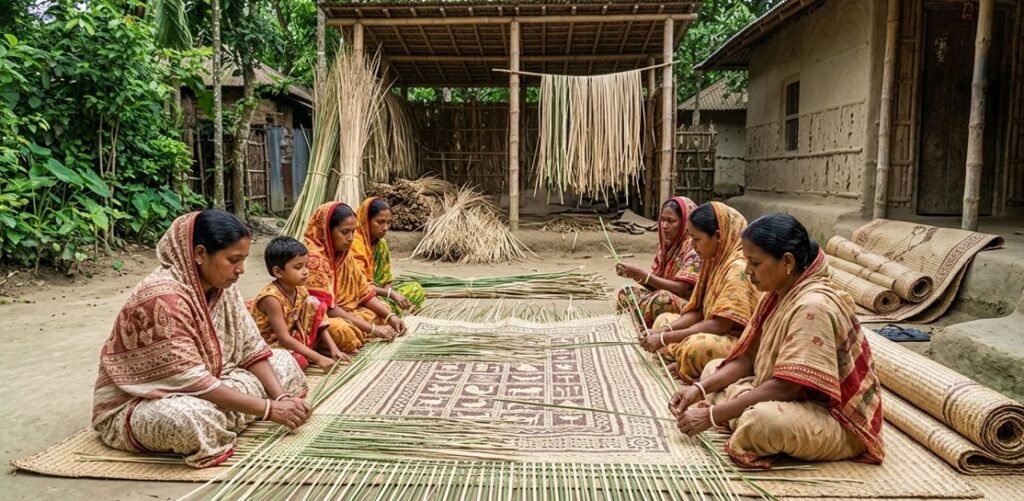
Bangladesh’s craft heritage is not confined to Dhaka; the region of Sylhet offers a window into another internationally recognized craft: Shital Pati. The Traditional Art of Shital Pati Weaving of Sylhet was inscribed on UNESCO’s Representative List of the Intangible Cultural Heritage of Humanity in 2017. Shital Pati is traditionally woven from natural fibers to create mats. A Sylhet-based craft itinerary can artfully combine:
- Shital Pati weaving
- Tea gardens
- Rural landscapes
- Local cuisine
- Cultural experiences
- Nature tourism
This blend makes it highly attractive for travelers seeking both craft immersion and natural beauty.
Tangail Saree:Another Important Textile Tradition
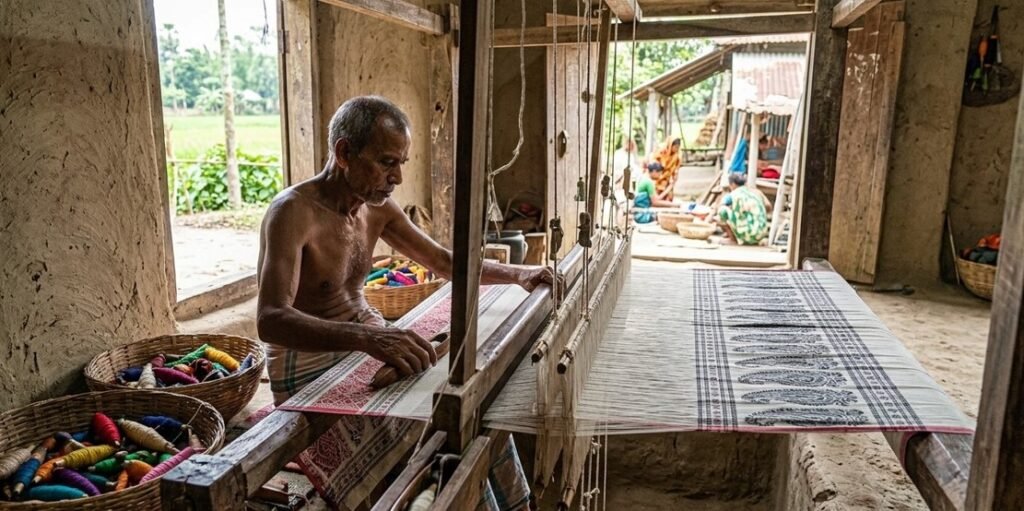
Bangladesh’s rich handloom tradition also includes the exquisite art of weaving Tangail sarees.
The Traditional Saree Weaving Art of Tangail was added to UNESCO’s Representative List of the Intangible Cultural Heritage of Humanity in 2025.
For textile aficionados, Tangail can be paired with Jamdani to offer a broader perspective on the nuances of Bangladesh’s handloom techniques.
A comprehensive textile itinerary could feature:
Jamdani → Tangail Saree → Nakshi Kantha → Jute Crafts
This approach provides a more holistic understanding of Bangladesh’s textile culture rather than focusing on a single product.
Bamboo, Cane, and Natural-Fibre Crafts
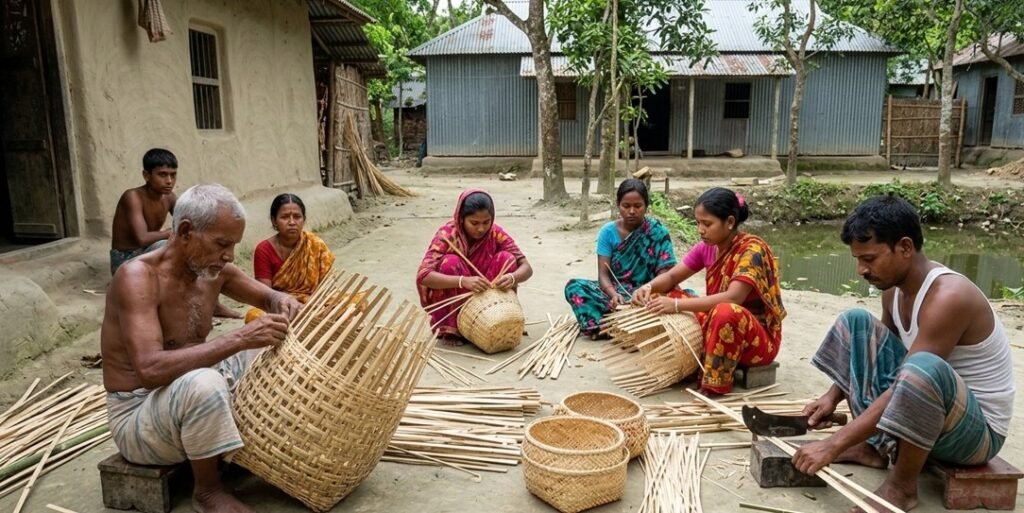
Beyond textiles, Bangladesh’s rural craft traditions are rich with products made from natural and locally sourced materials. Depending on the specific location and workshop availability, visitors can encounter:
- Bamboo baskets
- Cane products
- Mats
- Household items
- Decorative objects
- Furniture
- Natural-fiber crafts
These can be integrated seamlessly into community-based and rural tourism programs. Rather than treating them as mere shopping stops, operators can develop experiences that explore the journey from:
Material → Artisan → Production → Cultural Story → Finished Product
Rickshaw Painting: Discover Bangladesh Through Dhaka’s Urban Art
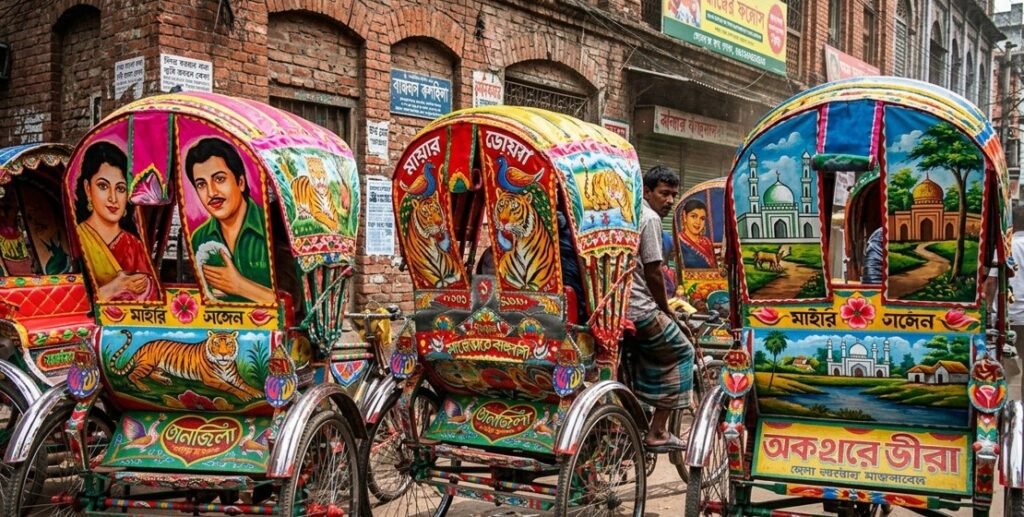
Craft tourism isn’t limited to rural settings; Dhaka itself is home to a vibrant example of living urban folk art – its colorfully decorated rickshaws.
Rickshaws and Rickshaw Painting in Dhaka was inscribed on UNESCO’s Representative List of the Intangible Cultural Heritage of Humanity in 2023. UNESCO describes this tradition as a dynamic form of urban folk art integral to Dhaka’s cultural identity.
- The paintings frequently depict:
- Floral patterns
- Animals
- Birds
- Nature
- Historical themes
- Contemporary designs
- Decorative motifs
This art form offers photographers and cultural travelers a captivating introduction to Bangladesh’s visual culture. A Bangladesh craft experience can thus begin in Dhaka before venturing into the country’s rich textile and rural craft communities.
Bangladesh Craft Experiences for Foreign Tour Operators
| Potential Target Markets | Sample Craft-Based Tour Products | Suggested Duration |
| Textile students, Fashion designers | Jamdani Experience (Dhaka + weaving workshop) | 2–3 days |
| University groups, Cultural travellers | Bangladesh Textile Tour (Jamdani + Tangail + Kantha) | 3–5 days |
| Photographers, Senior travellers | Craft & Culture Tour (Textiles + jute + pottery + rural life) | 3–5 days |
| Slow-travel enthusiasts, Ethical travellers | Sylhet Craft & Nature (Shital Pati + tea gardens + nature) | 3–4 days |
| Luxury experiential travellers | Photography Craft Tour (Artisans + workshops + rural life) | 3–5 days |
| Specialist travel agencies | Academic Textile Program (Weaving + workshops + field study) | 4–7 days |
| India + Bangladesh Textile Tour | Indian textiles + Jamdani + Kantha | 10–14 days |
Note: Actual durations should be adjusted based on workshop access, transportation, group size, season, and specific traveler needs.
Why Craft Tourism Works as a B2B Product
A well-organized craft itinerary provides a unique element of participation that standard sightseeing might miss.
Visitors can progress through a journey of:
Seeing → Learning → Meeting → Creating → Understanding
This is particularly valuable for specialist traveler segments.
Key B2B Advantages:
- Strong cultural storytelling potential.
- Flexible and adaptable itinerary design.
- Suitable for small, intimate groups.
- Complements mainstream sightseeing tours effectively.
- Ideal for academic programs and research.
- Excellent photography opportunities.
- Can be combined with rural tourism initiatives.
- Can be blended with nature travel experiences.
- Facilitates opportunities for responsible local purchasing.
The focus should be on the quality of the experience rather than the sheer number of workshops visited.
How to Design a Responsible Bangladesh Craft Experience
Authenticity alone is not sufficient; craft tourism must also uphold respect for the communities involved.
For foreign tour operators, considerations include:
Artisan Consent: Always ensure visitors have explicit permission before entering workshops or photographing artisans.
Fair Purchasing:
Discourage aggressive bargaining practices that could harm artisan livelihoods.
Appropriate Group Size:
Smaller groups generally lead to better interactions and minimize disruption.
Genuine Demonstrations:
Workshops should showcase real production processes rather than staged, tourist-oriented performances.
Cultural Context:
Guides should explain the history and significance of each craft, not just present it as a souvenir.
UNESCO’s approach to safeguarding intangible cultural heritage emphasizes community involvement. It also advises against using absolute terms like “unique” or “exclusive.”
Combining Craft with Other Bangladesh Experiences
A craft-focused journey doesn’t need to be exclusively about handicrafts; it can be effectively combined with Bangladesh’s other diverse tourism offerings:
| Craft | Can Be Combined With |
| Jamdani | Dhaka, Sonargaon |
| Jute | Rural Bangladesh, river experiences |
| Nakshi Kantha | Village tourism, cultural experiences |
| Shital Pati | Sylhet, tea gardens |
| Tangail Saree | Dhaka, textile-focused tours |
| Rickshaw Painting | Dhaka heritage, photography |
| Bamboo & Cane | Rural tourism, nature |
| Pottery | Village experiences, food culture |
This integration allows operators to create more comprehensive Discover Bangladesh itineraries.
Sample 5-Day Bangladesh Craft Experience
For foreign operators seeking a short, specialized program, the following itinerary serves as a potential starting point:
Day 1 – Dhaka
- Arrival
- Dhaka heritage tour
- Rickshaw art and urban culture
- Welcome dinner
Day 2 – Dhaka & Jamdani
- Jamdani weaving experience
- Artisan interaction
- Textile shopping
- Cultural dinner
Day 3 – Sonargaon & Rural Craft
- Sonargaon heritage site
- Local crafts demonstration
- Traditional cuisine
- Rural cultural immersion
Day 4 – Tangail / Textile Experience
- Handloom weaving traditions
- Saree weaving demonstration
- Artisan interaction
- Local market visit
Day 5 – Dhaka Departure
- Handicraft shopping (optional)
- Museum visit (optional)
- Airport transfer
Note: This itinerary can be adjusted for shorter or longer durations to suit the operator’s target market.
Why Stourism for a Bangladesh Craft Experience?
The challenge for foreign tour operators isn’t simply finding a craft product; it’s about ensuring smooth access, transportation, knowledgeable guides, authentic workshop visits, and meaningful cultural engagement.
Stourism assists B2B partners by providing:
- Tailor-made cultural itineraries.
- Facilitation of artisan and workshop visits.
- Textile-focused tours.
- Photography programs.
- University study tours.
- Rural and community-based tourism experiences.
- Transportation arrangements.
- Accommodation booking.
- Local guide services.
- B2B ground handling services.
Our goal is to help international operators craft experiences that deeply connect travelers with Bangladesh’s vibrant crafts, communities, and rich cultural heritage.
Stourism and Shafollo: Connecting Tourism with Artisan Products
Stourism’s craft ecosystem extends to Shafollo, an initiative dedicated to handcrafted products and artisan entrepreneurship.
This creates a powerful synergy between:
Travel → Artisan Experience → Responsible Purchasing → International Markets.
For suitable B2B programs, visitors can learn about the individuals and skills behind Bangladeshi handmade goods while immersing themselves in the broader cultural context.
This adds an enriching dimension, particularly for travelers interested in ethical consumption, design innovation, and empowering women through economic participation.
Frequently Asked Questions About Bangladesh Craft Experiences
What is a Bangladesh craft experience?
A Bangladesh craft experience is a cultural travel activity where visitors discover and learn about traditional Bangladeshi craftsmanship through artisan workshops, demonstrations, cultural storytelling, and where appropriate, hands-on participation or responsible purchasing.
What crafts is Bangladesh famous for?
Bangladesh is renowned for a wide array of crafts and textile traditions, including:
- Jamdani
- Nakshi Kantha
- Jute products
- Tangail sarees
- Shital Pati
- Bamboo and cane crafts
- Pottery
- Rickshaw painting
- Traditional handloom textiles
Is Nakshi Kantha UNESCO-recognized?
Nakshi Kantha should be referred to as a significant Bangladeshi craft tradition unless it has a specific UNESCO inscription. Bangladesh’s current UNESCO intangible heritage list includes Traditional Art of Jamdani Weaving, Traditional Art of Shital Pati Weaving of Sylhet, Rickshaws and Rickshaw Painting in Dhaka, and Traditional Saree Weaving Art of Tangail, among others.
Can foreign visitors visit Jamdani workshops?
Yes, Jamdani workshop visits can be arranged depending on factors such as the artisan’s willingness, location accessibility, group size, and availability. Visitors are always expected to respect the hosts’ rules regarding photography and interaction.
Can a craft tour be combined with other Bangladesh destinations?
Absolutely. Craft experiences can be integrated with various destinations, including:
- Dhaka
- Sonargaon
- Sylhet
- Srimangal
- Rural areas
- Heritage sites
- River journeys
- Nature excursions
This allows for a comprehensive Discover Bangladesh itinerary.
Authoritative References
- For further information, international tour operators can refer to:
- UNESCO Intangible Cultural Heritage – Bangladesh
- UNESCO Traditional Art of Jamdani Weaving
- UNESCO Shital Pati Weaving
- UNESCO Tangail Saree Weaving
- UNESCO Rickshaws and Rickshaw Painting in Dhaka
- Bangladesh Investment Development Authority – Jute
Bangladesh Tourism Board
Bangladesh currently has six elements inscribed on UNESCO’s Representative List of the Intangible Cultural Heritage of Humanity, notably including Jamdani, Shital Pati, Tangail saree weaving, and Dhaka rickshaw painting.
Conclusion:Discover Bangladesh Through Its Crafts and Communities
A Bangladesh craft experience provides foreign visitors with a unique lens through which to understand the country. It transcends mere sightseeing, allowing travelers to sit by a loom, watch an artisan ply their trade, comprehend how traditional items are made, and grasp the cultural narratives woven into them.
From the delicate elegance of Jamdani and Tangail sarees to the heartwarming storytelling of Nakshi Kantha, the versatility of jute, the coolness of Shital Pati, and the vibrant urban art of Dhaka’s rickshaws, Bangladesh offers a rich spectrum of craft-based experiences.
These experiences are ideal for specialized products aimed at textile enthusiasts, fashion professionals, university groups, photographers, cultural travelers, senior travelers, slow-travel proponents, and ethical and experiential travelers.
The opportunity lies not in merely selling a handmade souvenir, but in connecting travelers with the people, skills, stories, and communities that breathe life into each creation. This is the essence of a truly valuable Bangladesh craft experience and a deeply rewarding way to Discover Bangladesh beyond the ordinary.
Plan a Bangladesh Craft Experience With Stourism
Stourism can partner with foreign tour operators to create custom-designed Bangladesh programs that integrate crafts with culture, rural life, nature, and community-based tourism. Through its wider craft initiative, Shafollo, Stourism also facilitates connections with Bangladeshi artisans and handmade products, offering a unique opportunity for responsible purchasing and meaningful interaction.