Introduction: Why Bangladesh Can Appeal to Japanese Cultural Tourists
For tour operators branching out from conventional travel locations in South Asia, Bangladesh offers exciting new opportunities for Japanese cultural tourists.
Bangladesh presents the opportunity for visitors to experience elements of cultural heritage, lifestyle, craft, textile industry, natural environment, architecture, agriculture, tea estates and human-centred activities.
Using the examples mentioned above, a tour operator focused on Japanese cultural tourists can develop effective travel programs that will help visitors experience the culture of Bangladesh in a unique way.
This guide looks at the experiences that can be taken into consideration when developing travel programs in the country, including:
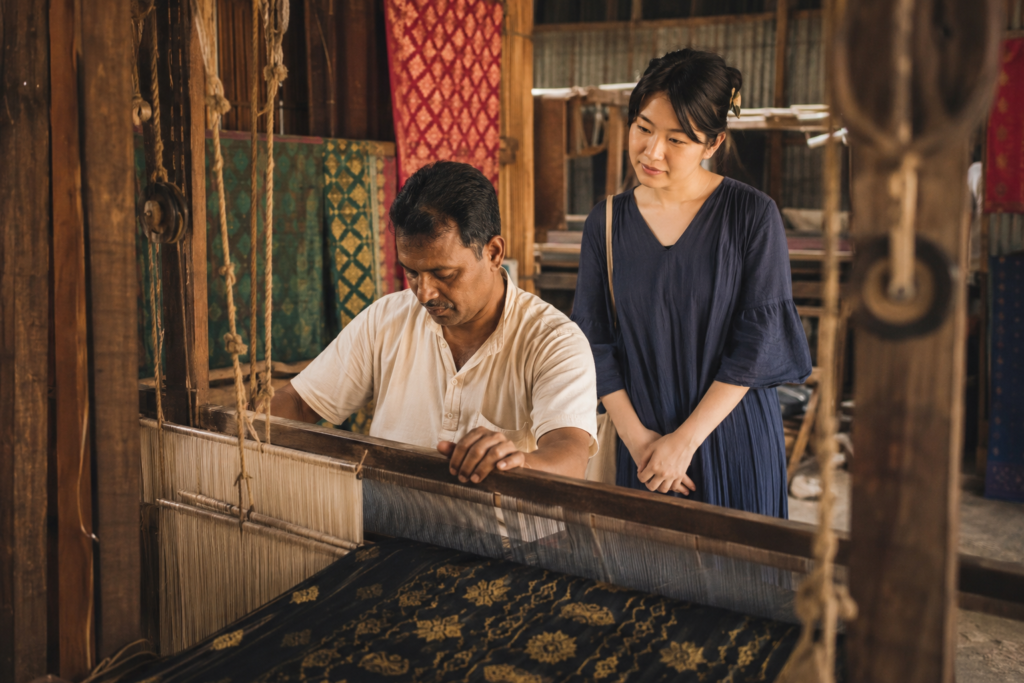
- Jamdani weaving
- Nakshi Kantha
- Techniques of using jute and natural fibres
- Handloom textile industry
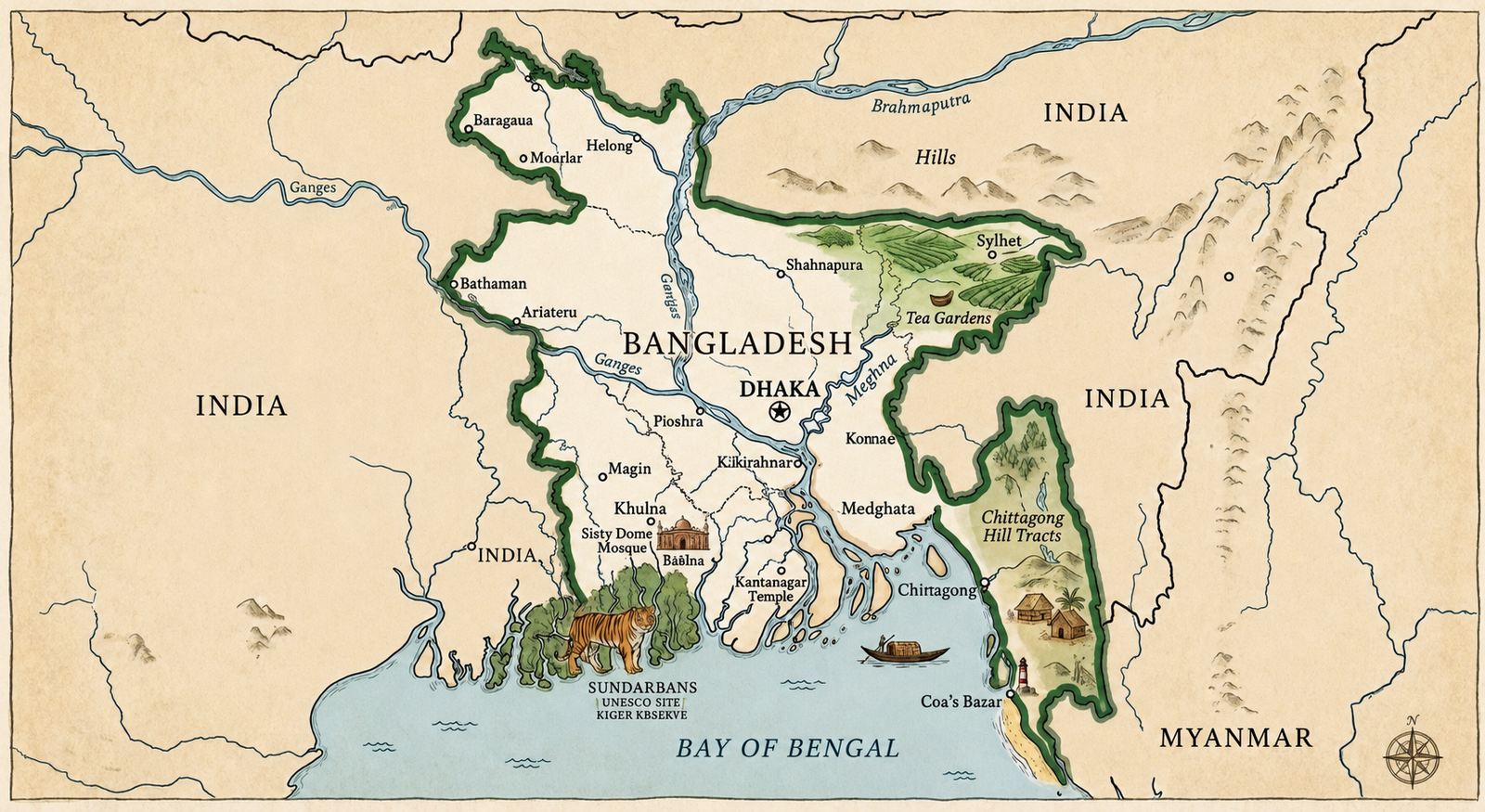
- Areas of Sylhet and Srimangal
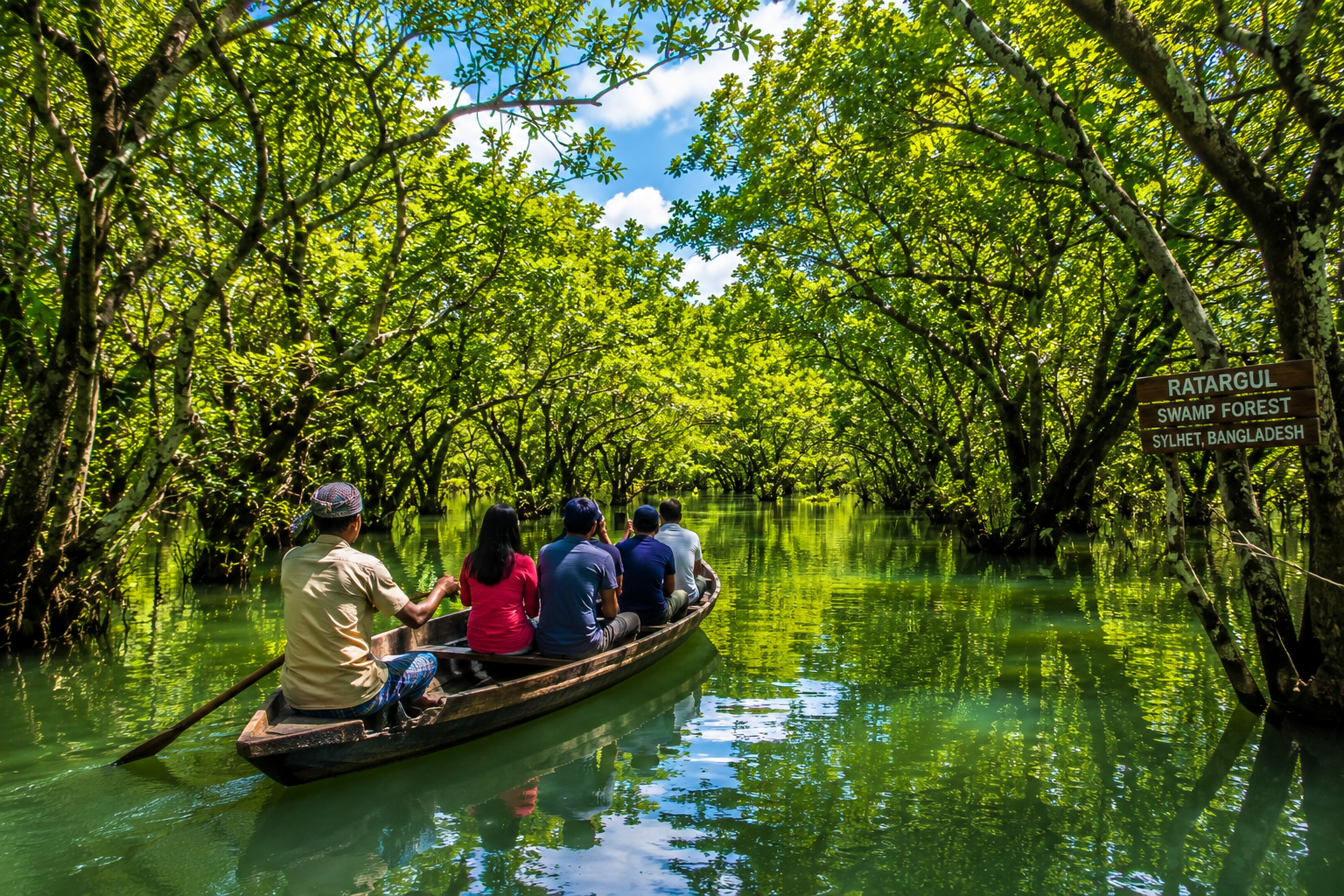
- Rural lifestyle and river tourism
- Photography
- Bengali cuisine
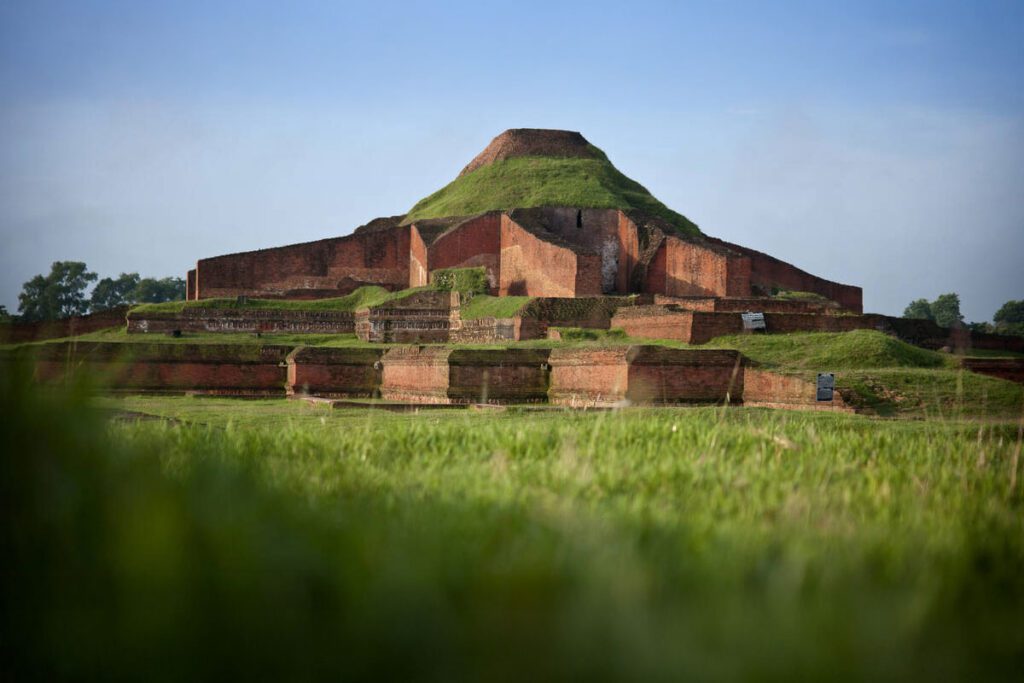
- Cultural heritage and architecture
- Educational tours related to textiles
The key idea of the guide is that not all Japanese tourists have the same interests which should be taken into consideration when creating programs.
Understanding the Opportunity for Japanese Cultural Tourism
Japan is an established international travel market with diverse traveller segments.
JNTO provides official data on Japanese overseas travellers by year, month and destination, giving tourism businesses a basis for analysing the Japanese outbound market.
For Bangladesh, the opportunity does not necessarily need to be based on mass tourism.
A more focused approach is to develop special-interest products for travellers interested in culture, craftsmanship, textiles, photography, nature and education.
Potential Japanese Traveller Segments for Bangladesh
| Traveller Segment | Potential Bangladesh Experience |
| Cultural travellers | Heritage, villages and artisan visits |
| Senior travellers | Slow-paced cultural and nature itineraries |
| Textile enthusiasts | Jamdani, Tangail and Nakshi Kantha |
| Fashion professionals | Handloom, motifs and textile production |
| Photographers | River life, artisans and rural landscapes |
| University groups | Textile, anthropology and development studies |
| Nature travellers | Tea gardens, forests and wetlands |
| Luxury travellers | Private cultural experiences |
| Small-group travellers | Tailor-made cultural programs |
| Design enthusiasts | Jute, bamboo and traditional crafts |
The strongest strategy is therefore to sell specific experiences to specific audiences, rather than presenting Bangladesh as a generic destination.
Why Bangladesh Can Appeal to Japanese Cultural Tourists
A well-designed Bangladesh itinerary can combine several forms of cultural travel within one journey.
Visitors can move between:
Craft → Heritage → Nature → Food → Rural Life → Human Interaction
This creates an experience that is broader than traditional sightseeing.
Potential highlights include:
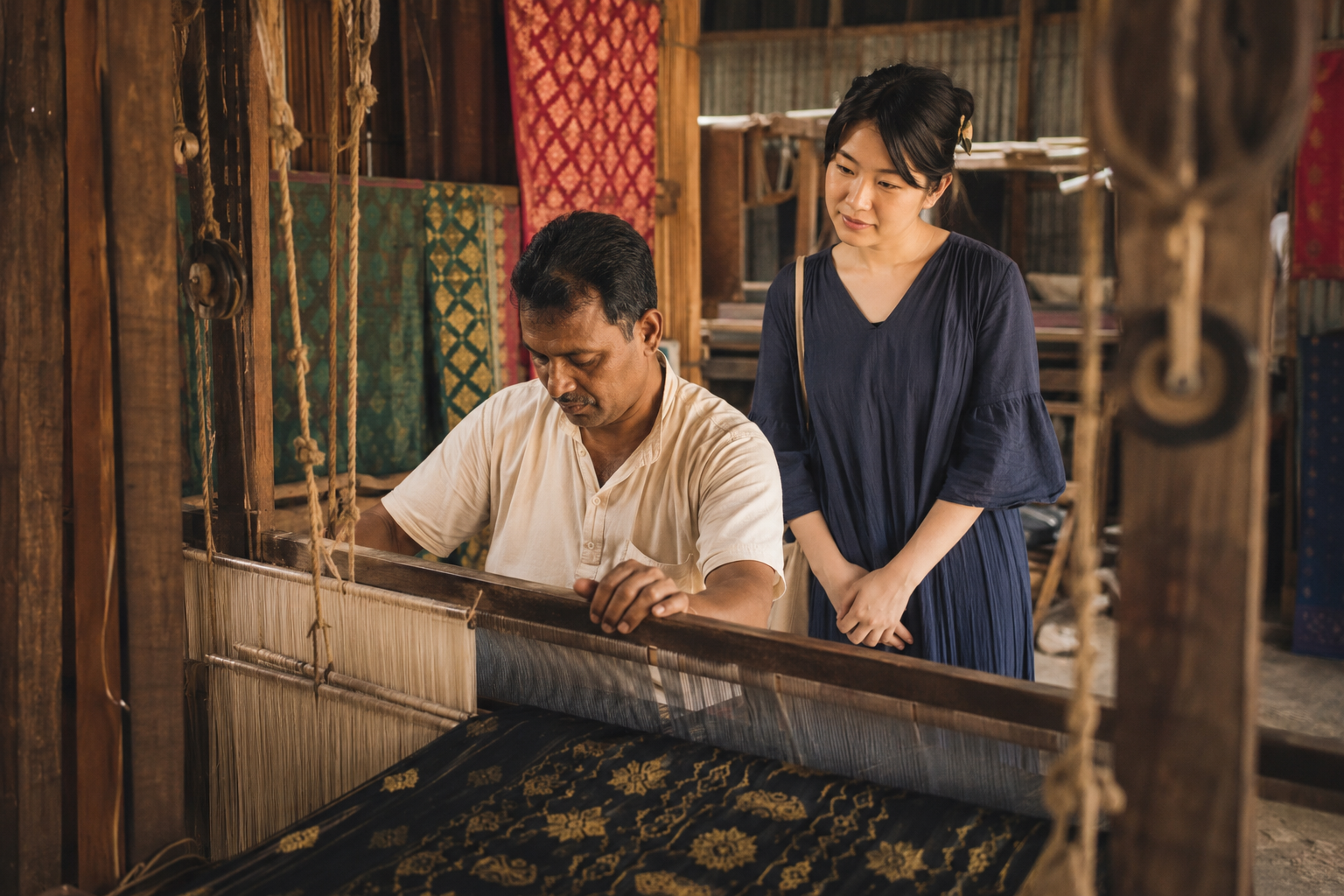
- Watching a Jamdani artisan work at a handloom
- Exploring historic neighbourhoods
- Visiting traditional craft communities
- Walking through tea gardens
- Photographing river landscapes
- Learning about Bengali cuisine
- Visiting rural communities
- Exploring traditional textiles
For Japan-focused operators, the important point is to build an itinerary around depth and authenticity, while avoiding unsupported assumptions about Japanese cultural tourists as a whole.
Craft Experiences for Japanese Cultural Tourists
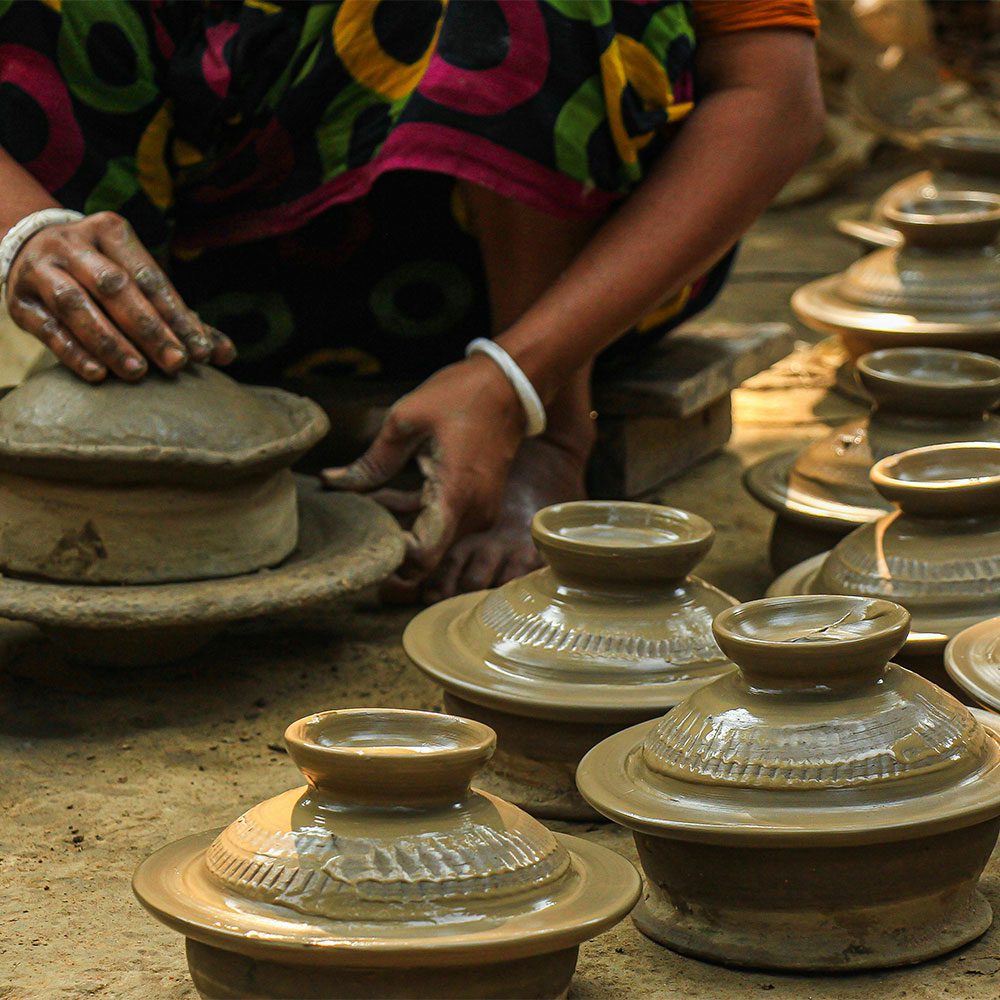
Bangladesh may potentially be associated with the concept of craftsmanship by tourists coming from Japan.
Japan also possesses a number of distinctive traditions regarding crafts, textiles, ceramics, wood industry and other types of crafts.
Instead of stating that people coming from Japan recognize Bangladeshi crafts through the lens of traditional Japanese crafts, tour operators may simply emphasize characteristics associated with craftsmanship that travelers with special interests might look for:
- Ability
- Perseverance and patience
- Accuracy
- Traditional knowledge
- Hand-made production
- Continuity of culture
- Natural component
- Design
Craft-oriented itinerary would enable travelers to:
- Get in contact with craftsmen
- Watch some traditional crafts
- Find out about materials used
- Learn design elements
- Make photos of the production process
- Participate in the workshops
- Buy locally manufactured products.
The focus should be made on the process of learning and interacting, rather than shopping.
Jamdani: A Signature Experience for Japanese Textile Travellers
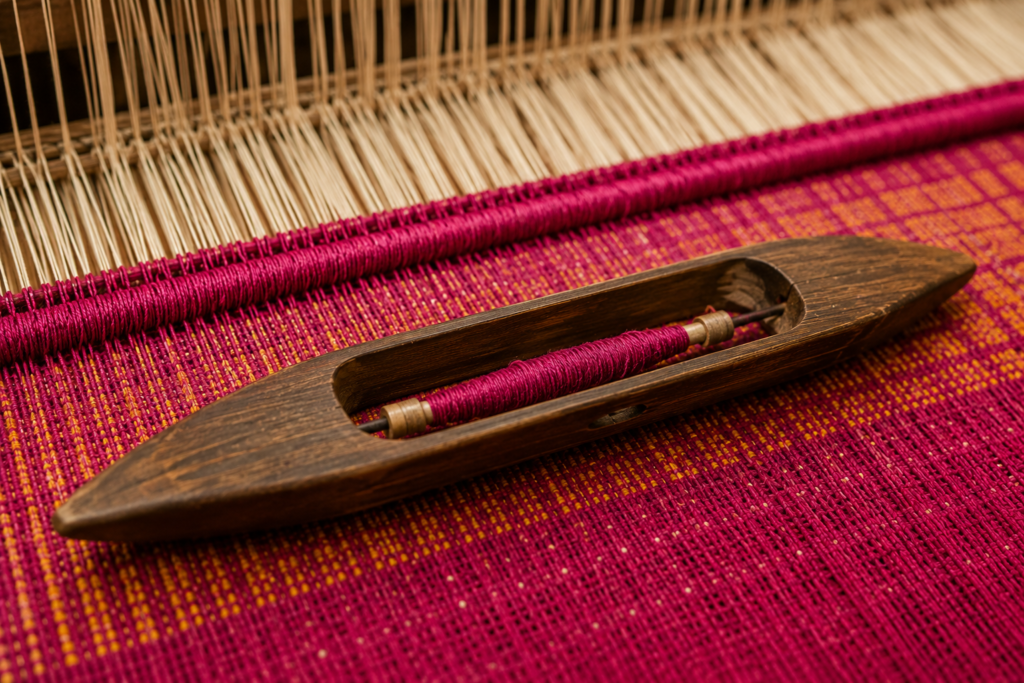
Jamdani is one of the most significant handloom crafts in Bangladesh.
In 2013, the art of Jamdani weaving earned a spot in the UNESCO list of the Intangible Cultural Heritage of Humanity. According to UNESCO, Jamdani refers to the cotton fabric made by the artisans in the outskirts of Dhaka.
The weaving of Jamdani recruits much of labor through weaving skilled motifs directly on looms. Additionally, UNESCO mentions that Jamdani skills and knowledge have been handed down generations in weaving families and communities.
In addition, the Japanese textile aficionados can witness live craft work instead of seeing ready-made products. Jamdani tours are well planned, starting from getting acquainted with history, visiting workshops, watching a craftsman at work, and learning about traditional patterns. It also involves some interactions with the artisans and buying handloom products responsibly.
Jamdani weaving is largely associated with localities such as Rupganj and Narayanganj, which are outside Dhaka. Visits to workshops should be carefully planned and take into account the following factors:
- Availability of craftsmen
- Number of people
- Accessibility
- Photography
- Cultural sensitivity
- Behaviour of the tourists.
Why Jamdani Works for Japan-Focused Tour Operators
Jamdani can become the centrepiece of several specialist travel products.
| Tour Type | Jamdani Experience |
| Textile Tour | In-depth weaving demonstrations |
| Fashion Tour | Fabrics, motifs and design focus |
| Photography Tour | Artisan and loom photography |
| University Tour | Textile heritage research |
| Cultural Tour | Living Bengali tradition |
| Luxury Tour | Premium handwoven textiles |
| Slow Travel | Extended artisan interaction |
For operators targeting Bangladesh for Japanese cultural tourists, Jamdani provides a strong connection between craftsmanship, heritage and cultural storytelling.
The UNESCO recognition also gives operators an authoritative heritage reference when explaining the importance of the tradition.
Nakshi Kantha: Textile Art and Storytelling
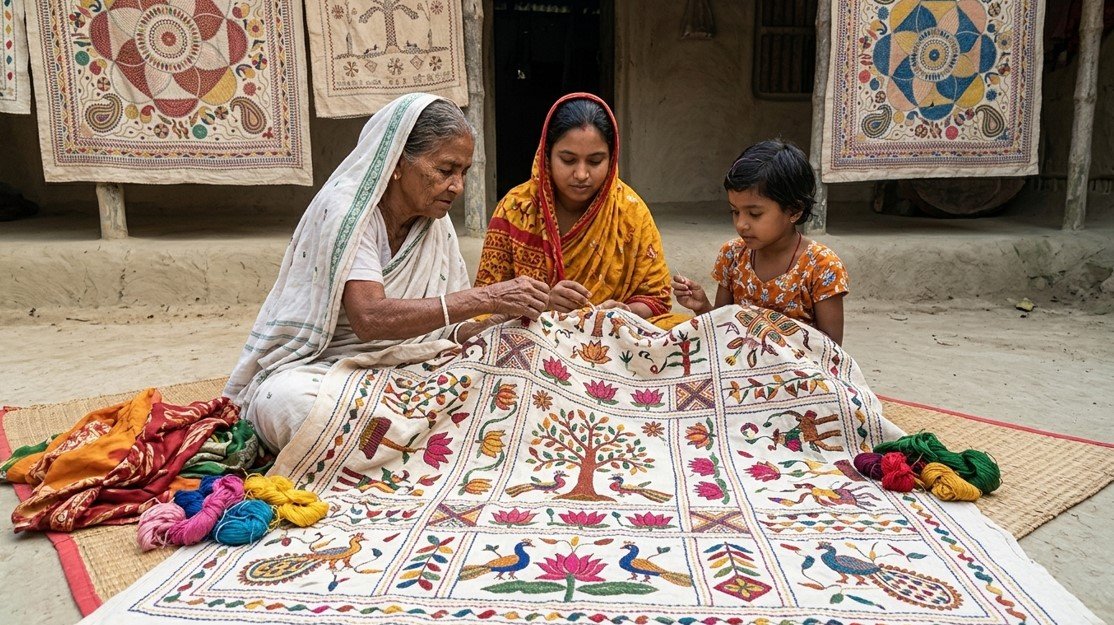
Nakshi Kantha is another way of facilitating visitors’ engagement with Bangladesh’s textile tradition. The traditional embroidered textile may have designs inspired by:
- Nature
- Birds
- Fish
- Flowers
- The rural life
- Geometric shapes
- Everyday life
The interest for cultural tourists stems from the link between the crafts and storytelling.
The visitors can participate in small group visits that would include:
- Viewing embroidery
- Learning about the traditional designs
- Meeting the craftsman
- Watching the stitching process
- Understanding the use of cloth
- Participating in a simple workshop
- Buying the products of the craftsman.
Nakshi Kantha must be presented as one of the important crafts of Bangladesh for Japanese cultural tourists, but it should not confuse people to think that it represents ‘intangible cultural heritage’ inscribed by UNESCO.
Jute: Natural Materials and Contemporary Craft
Jute provides another opportunity to introduce Japanese cultural tourists to Bangladesh’s relationship with natural materials.
Bangladesh is a major producer and exporter of jute and jute products. For a cultural itinerary, the value of a jute experience is in showing how an agricultural fibre becomes a finished product.
Visitors can potentially observe:
- Jute fibre
- Handcrafted bags
- Baskets
- Mats
- Home décor
- Accessories
- Natural-fibre products
A workshop can be structured around:
Raw Material → Processing → Craftsmanship → Design → Finished Product
This can be particularly relevant for:
- Designers
- Fashion professionals
- Craft enthusiasts
- University students
- Sustainable-product researchers
Discover Sylhet Through Tea, Crafts and Nature
For Bangladesh for Japanese cultural tourists, Sylhet can provide a different pace from Dhaka.
The region can combine:
- Tea gardens
- Rural landscapes
- Traditional crafts
- Local food
- Nature
- Photography
One particularly relevant heritage tradition is Shital Pati weaving.
UNESCO inscribed the Traditional Art of Shital Pati Weaving of Sylhet on the Representative List of the Intangible Cultural Heritage of Humanity in 2017.
This creates an opportunity to combine:
Shital Pati → Tea Gardens → Rural Culture → Nature
within one regional itinerary.
Srimangal and Lawachara: A Slower Side of Bangladesh
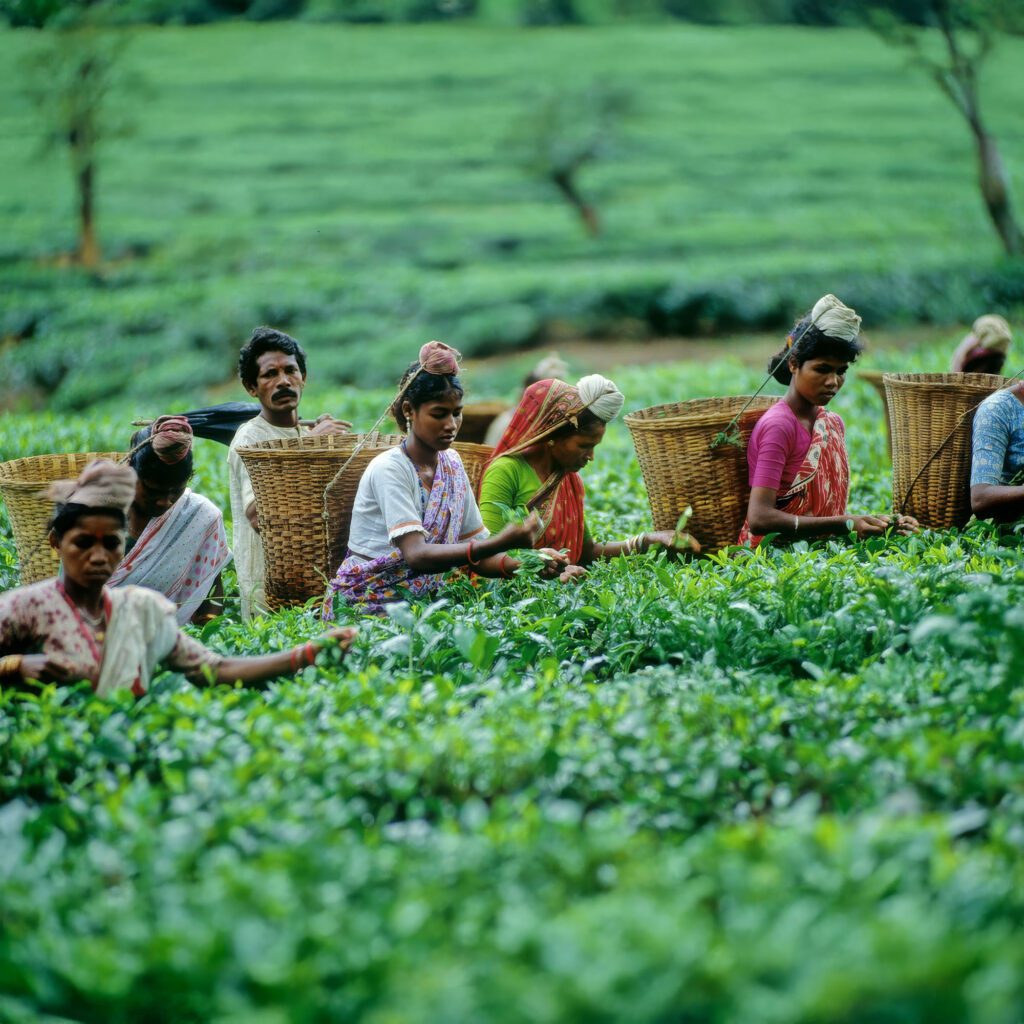
The cultural experience offered by Srimangal to Japanese cultural tourists can be combined with beautiful views of tea plantations and nature.
Activities may include:
- Walking through tea plantations.
- Nature walks.
- Birdwatching.
- Taking photographs.
- Experiencing local dishes.
- Exploring rural areas.
Lawachara National Park may be incorporated into any travel program in this destination.
With the elderly or slow-travel groups the purpose should be to organize light activities and cultural services rather than to promote hard trekking.
River Experiences for Japanese Cultural Tourists
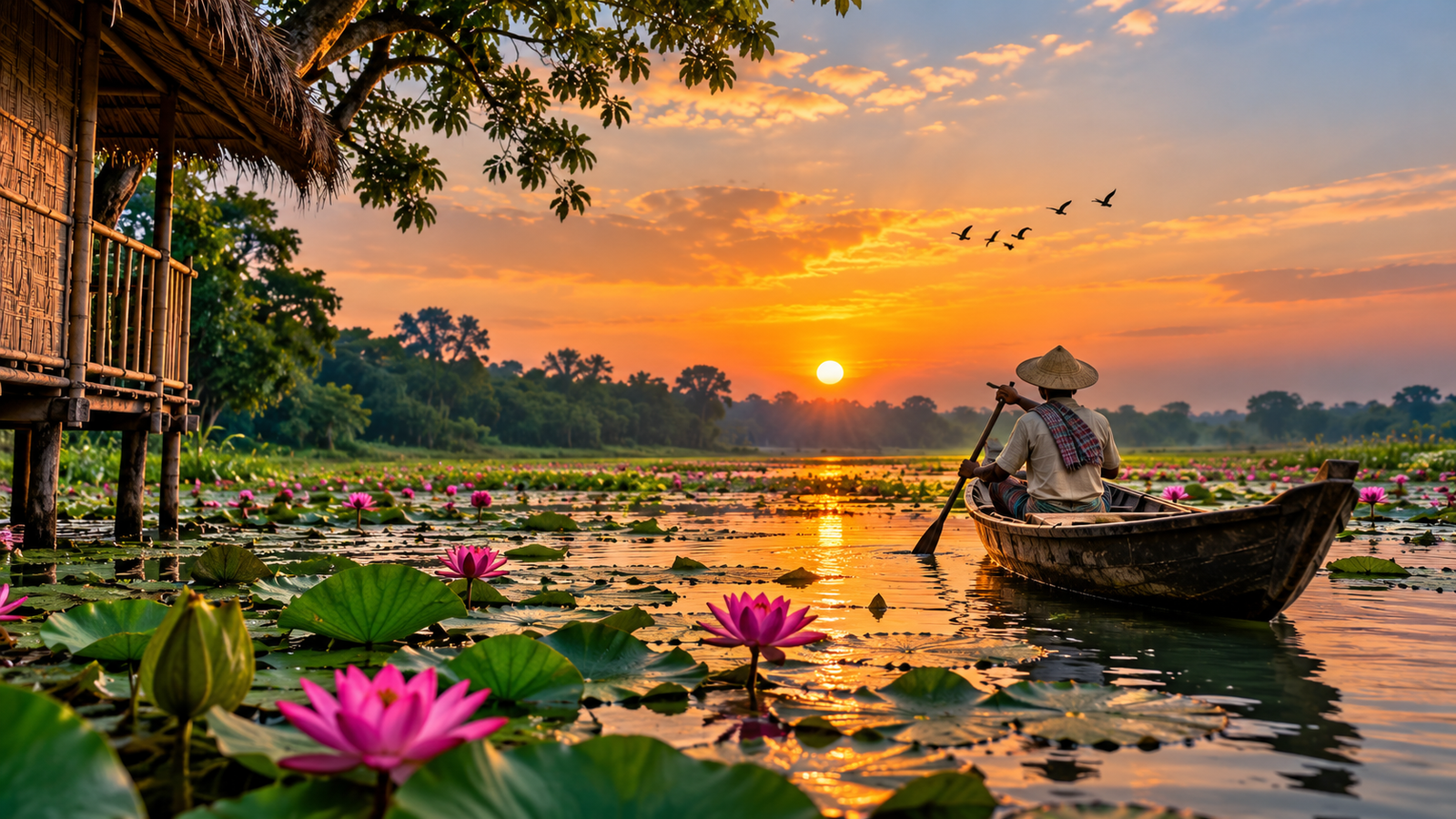
The rivers of Bangladesh are always in people’s lives.
Planned river trips can enable tourists to get the following impressions:
- Traditional watercraft
- Community on the river banks
- Types of fishing
- Markets near riverbanks
- Countryside scenery
- Beautiful sunsets
- Life near rivers
Activities include:
- Short boat trips
- Travel to villages by boat
- Photography near the water
- Walking along historical routes by rivers
- Culinary experiences
Photography: Bangladesh Through a Different Perspective
Photography can be turned into a specialized service aimed at Japanese cultural tourists in Bangladesh due to the various aspects of life that can be photographed.
- People
- Artisans
- Tea laborers
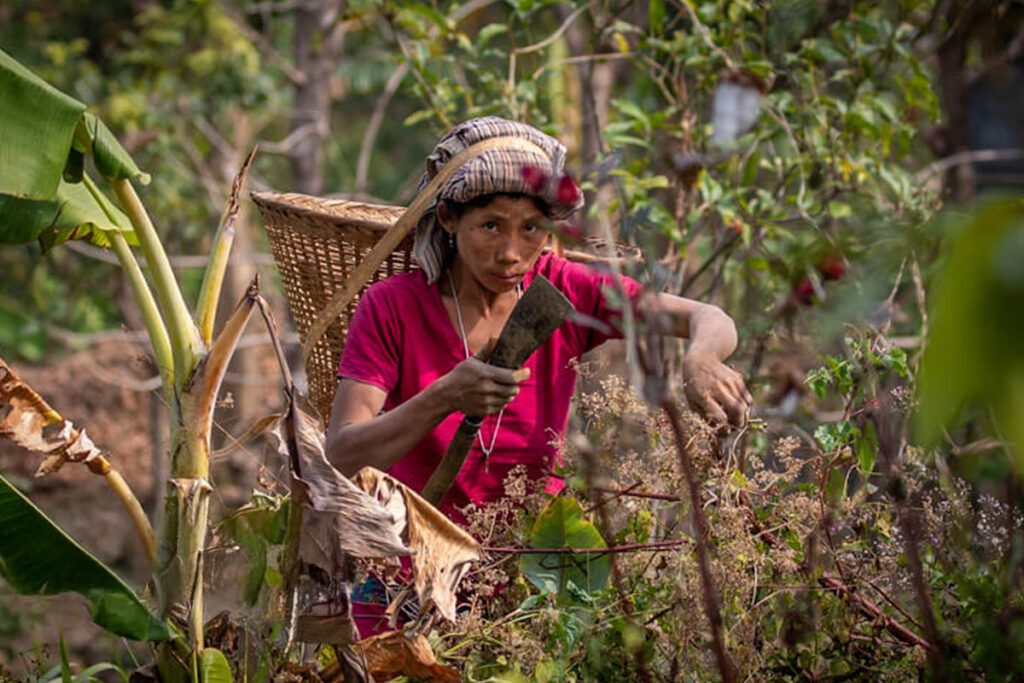
- Agricultural workers
- Watermen
- Market traders
- Countryside people
- Places
- Old Dhaka
- Sonargaon
- Ancient mosques
- Towns
- Tea plantations
- Riverbanks
- Hand-made cloth designs
- Stitching
- Jute materials
- Old tools
- Ships
- Buildings
- Rural textures
Responsible photography
Tour operators should create strict guidelines for photography.
Visitors should:
- Ask for consent when capturing photos of someone
- Refrain from getting into someone’s private territory.
- Ensure absence of disturbance to artisans
- Follow instructions
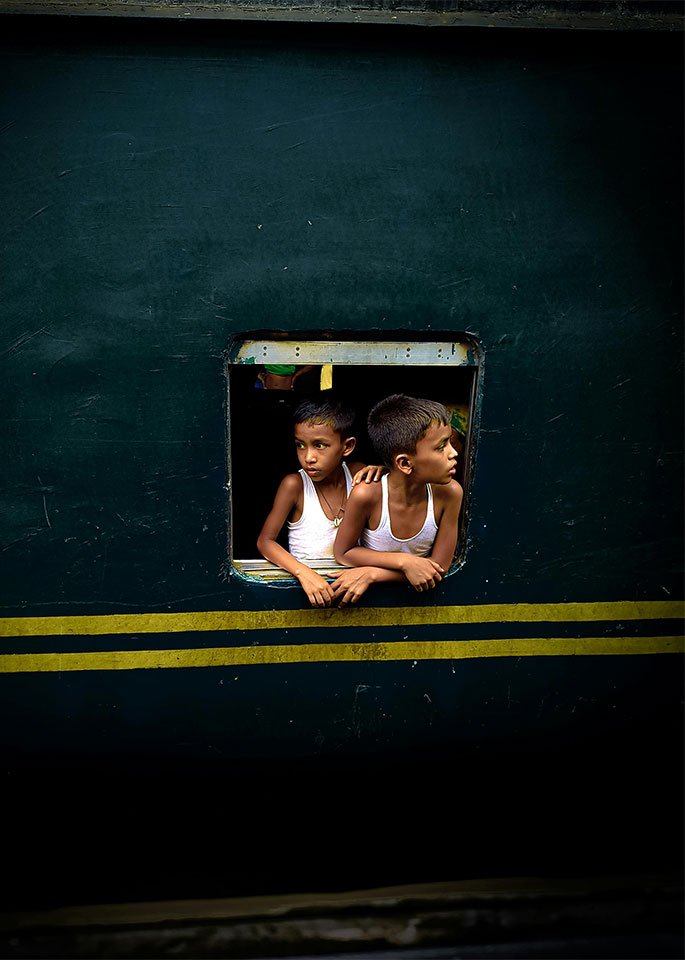
- Get certain permission for photographing children
- Avoid staging without permission.
Human Connection and Community Experiences
The one of most powerful elements of a cultural travel plan is personal interaction with local people
Some examples of those experiences are:
- Visiting artists
- Cooking with locals who teach traditional dishes
- Checking out tea farmers
- Going to a village market
- Chatting with artisans
- Participating in workshops
Visiting community projects when appropriate. These interactions must be:
- Optional
- Respectful
- Facilitated
- Culturally appropriate
- Advantageous to the local community wherever possible
When organizing tours in Japan, the facilitator becomes particularly important as local communities are not acquainted with the concept of tourism.
Bengali Food for Japanese Cultural Tourists
Food is a valuable way to gain insights into Bangladesh.
An ideal food experience can involve:
- Rice-based meals
- Dal
- Seasonal veggies
- Fish
- Hilsa fish
- Traditional desserts
- Bengali tea
But it would be incorrect to claim that each Japanese cultural tourists has the same food preferences.
It is a good idea to check:
- Tolerance to spicy food
- Allergen issues
- Dietary concerns
- Love for fish
- Food sensitivities
- Preferences in food
A Carefully Curated Food Experience
A suitable itinerary can introduce Bengali food through:
- Reputable restaurants
- Hosted meals
- Cooking demonstrations
- Carefully selected local food experiences
- Optional street-food tastings
This allows visitors to experience local cuisine while maintaining appropriate operational standards.

Educational and Textile Study Tours
Educational tourism could also provide a new niche for Japanese visitors interested in Bangladeshi culture.
Some of the possible topics of study for potential Japanese cultural tourists are:
- Designing textiles
- Handloom techniques
- Fashion design
- Anthropology
- Rural development
- Photography
- Architectural studies
- Environmental studies
- Materials development
Potential Study Activities
| Study Area | Bangladesh Experience |
| Textile Design | Jamdani and handloom workshops |
| Fashion | Traditional textiles and contemporary design |
| Anthropology | Rural communities and cultural practices |
| Photography | Documentary photography |
| Architecture | Historic mosques and Bengal architecture |
| Environment | Forests, wetlands and rivers |
| Development Studies | Artisan livelihoods |
| Sustainability | Jute and natural materials |
These programs should have clearly defined educational objectives rather than functioning as conventional sightseeing tours.
Japan-Bangladesh Relations and Cultural Context
The bilateral ties between Japan and Bangladesh can be seen as a good background for creating Japan-oriented tourism campaigns. JICA started collaborating with Bangladesh in 1973, and the two countries celebrated 50 years of cooperation in 2023. JICA reveals that this partnership developed from primarily sending volunteers to offering technical and infrastructural assistance, along with HR education assistance.
Japan and Bangladesh celebrated their 50 year milestones in 2022.
In terms of travel operators, this gives some deeper understanding concerning the relations between the two countries.
On the other hand, tour operators need to differentiate between the bilateral relations and proven demand for tourism services instead of presenting bilateral relations as the proof of tourism preference for Bangladesh among Japanese tourists.
Designing Tours for Japanese Cultural Tourists
A travel itinerary for Bangladesh, which is focused on Japan, should have the following focal points:
- Scheduling and timing
- Transportation and travel
- Qualified tour guides
- Any kind of accommodation
- Rest periods for travelers
- Planning meals ahead of time
- Tours for small groups
- Cultural education through the program
- Well-planned visits to workshops
The goal should include exploration without wasting any time.
Sample 8-Day Cultural Itinerary
| Day | Destination | Main Experience |
| 1 | Dhaka | Arrival and cultural introduction |
| 2 | Dhaka | Old Dhaka heritage and riverfront |
| 3 | Sonargaon / Rupganj | Jamdani and artisan experience |
| 4 | Tangail | Handloom and rural culture |
| 5 | Srimangal | Tea gardens and local life |
| 6 | Lawachara / Srimangal | Nature and photography |
| 7 | Sylhet | Shital Pati and regional culture |
| 8 | Dhaka | Departure |
This is a sample framework. Actual routing should be adjusted according to season, transport schedules, workshop availability, accommodation and traveller mobility.

Best Bangladesh Experiences for Japanese Cultural Tourists
Rather than trying to include every destination, operators can organise the product around several core themes.
Craft
Jamdani → Tangail → Nakshi Kantha → Shital Pati
Nature
Tea gardens → Forest → Rivers → Wetlands
Heritage
Old Dhaka → Sonargaon → Historic architecture
Food
Bengali cuisine → Fish → Sweets → Tea
Human Connection
Artisans → Tea communities → Rural hosts
This creates a coherent travel narrative rather than a collection of unrelated attractions.
Recommended Product Segments for Japan-Focused Operators
| Traveller Segment | Potential Bangladesh Product |
| Cultural travellers | Heritage, villages and artisan visits |
| Senior travellers | Slow-paced cultural and nature programs |
| Textile enthusiasts | Jamdani, Tangail and Nakshi Kantha |
| Fashion professionals | Handloom and textile production |
| Photographers | Artisans, river life and rural landscapes |
| University groups | Textile and cultural study programs |
| Nature travellers | Tea gardens, forests and wetlands |
| Luxury travellers | Private cultural experiences |
| Small groups | Tailor-made cultural programs |
| Design enthusiasts | Jute, bamboo and traditional crafts |
What Japanese Tour Operators Need From a Bangladesh DMC
Designing a successful cultural tour of Bangladesh for visitors from Japan is not simply about choosing places to visit. A local Destination Management Company (DMC) should make sure to fulfill the following activities:
- Helping visitors at the airport
- Finding accommodation
- Providing transportation in a hire vehicle
- Organising professional guides
- Visiting artisan workshops
- Making arrangements for various workshops
- Booking tables in restaurants
- Arranging internal travel
- Obtaining permits
- Providing logistics for the whole group
- Designing a unique itinerary
It must be understood by a DMC as well that there is a crucial distinction between a business driven tourist attraction and a real cultural experience.
Why Stourism for Japan-Focused Bangladesh Tours?
Stourism could align its Bangladesh DMC services to meet the demands of foreign entities engaged in creating specialized cultural offerings.
Expected services comprise:
- Cultural excursions
- Textile and handicraft experience and education
- Photography packages
- Travel suited for senior citizens
- Programs that involve nature and the outdoors
- Experiences of rural tourism
- Learning-oriented travel
- B2B management
- Custom-built packages.
For agencies targeting Japan, it becomes vital to ensure a sound combination of excellent organization of services and provision of the authentic local experience.
Frequently Asked Questions
Is Bangladesh appropriate for Japanese culture tourists?
Yes, there are ample opportunities for developing niche cultural products for Japanese tourists interested in handicrafts, fabrics, history, photography, nature, cuisine and rural activities in Bangladesh.
Still, there are individual tastes, so the operators need to take this into account in their development rather than treating them as general indicators of all visitors from Japan.
Where can Japanese tourists learn more about Jamdani?
Traditionally, Jamdani weaving has been practiced within the area around Dhaka, thus providing opportunities for organizing workshops in Rupganj or Narayanganj, subject to the artisans’ availability.
Is Bangladesh suitable for elderly Japanese travellers?
It can be, although the itinerary will need to be designed based on the aspects such as comfortable transportation, accommodation, walking distance and other preferences of the travellers.
Senior-friendly tourism needs to be developed based on the individual approach rather than just setting common standards for all elderly tourists.
Is it possible to combine Bangladesh with India for Japanese visitors?
Indeed, a combined travel plan can take the most important cultural locations of India and associate them with textile and craft-oriented experiences of Bangladesh.
One of the locations can include the following route:
Delhi → Agra → Jaipur → Kolkata → Dhaka → Sonargaon → Srimangal → Sylhet
Is Bangladesh worth capturing for Japanese photographers?
Bangladesh offers multiple aspects for photography, including artisan work, textiles, rivers, architecture, tea falls and rural areas.
Photography should always comply with rules of consent and cultural-awareness.
Statistics and Authoritative Research Sources
Operators catering to the Japanese market need to utilize official statistics.
Japan National Tourism Organization (JNTO) is the entity providing tourism statistics such as annual and monthly outbound travel data.
UNESCO is responsible for providing information on Bangladesh’s intangible cultural heritage, including Jamdani, which was inscribed in 2013.
As far as Japan-Bangladesh relations are concerned, JICA published data on the two countries’ cooperation which began in 1973 and has reached its 50th anniversary in 2023.
When crafting tourism materials for B2B purposes, it is best to rely on the aforementioned data instead of unverifiable market assertions.
Conclusion: Bangladesh for Japanese Cultural Tourists Is a Specialist Opportunity
Japan’s cultural tourists are unlikely to consider Bangladesh merely as one of the tourism destinations of South Asia.
What gives Bangladesh an edge in this market is the possibility of its cultural depth.
The country offers many opportunities to its clients to experience:
- Jamdani weaving
- Textile heritage
- Nakshi Kantha
- Jute and local materials
- Tea plantations
- River culture
- Photography
- Ancient architecture
- Bengali cuisine
- Remote communities
Japan-based tour companies can use these activities to organize customized cultural tours of Bangladesh.
It is important, however, to understand the market without falling into stereotypes.
A good tour could include effective planning, good access to local culture, correct speed of the tour, and professional help from local guides.
Thus, by utilizing carefully selected cultural activities and effective work of local tour organization agencies, Bangladesh can offer its Japanese customers a different experience.
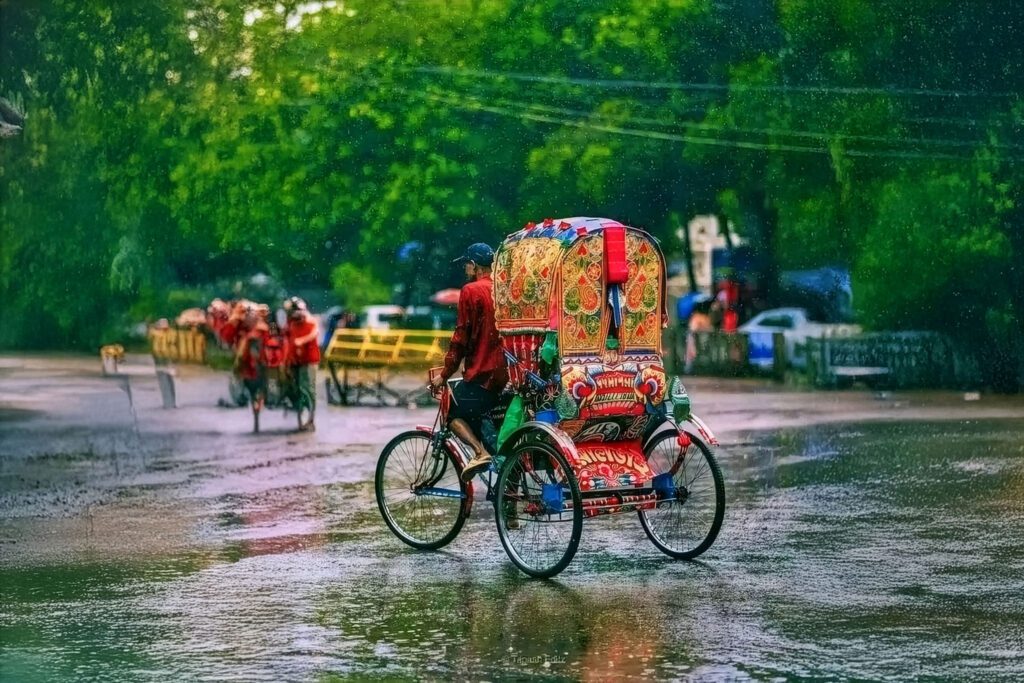
Partner With Stourism for Japanese Cultural Tours in Bangladesh
Stourism can assist both Japanese and global travel agents with customized Bangladesh programs that include:
- Cultural tourism
- Craft and textile experiences
- Photo shooting
- Senior tourist travels
- Natural tourism
- Rural tourism
- Education programs
- B2B ground services
If tour operators have interests in designing Bangladesh promotional programs for Japanese cultural tourists, we can help them design a travel program, which is based on real-life experiences of local people, and help with practical sides of transportation, accommodation, tours and itinerary organization.
Stourism — Bangladesh DMC & Inbound Tour Operator
Website:www.stourismbd.com
Email: info@stourismbd.com
Travel routes, workshop availability, transport schedules, seasonal conditions, entry requirements and operational arrangements should be confirmed before a tour is marketed or booked.