
Discover Bangladesh
Discover Bangladesh
Experience Bangladesh’s rich culture, stunning landscapes, and warm hospitality
If you’re fascinated by South Asia but find India overwhelming, Bangladesh offers a more immersive alternative. This compact country is packed with rich traditions, friendly locals, and experiences that feel raw, real, and unforgettable.
Welcome to Bangladesh – a vibrant South Asian nation of lush landscapes, rich history, and warm hospitality. From ancient Buddhist monasteries and Mughal forts to the world’s largest mangrove forest and longest natural beach, Bangladesh offers an exciting blend of cultural heritage and natural wonder. Travelers will find colorful festivals, bustling cities, tranquil riverside villages, and a friendly, multicultural society that make Bangladesh truly unique.
Where is Bangladesh on the World Map
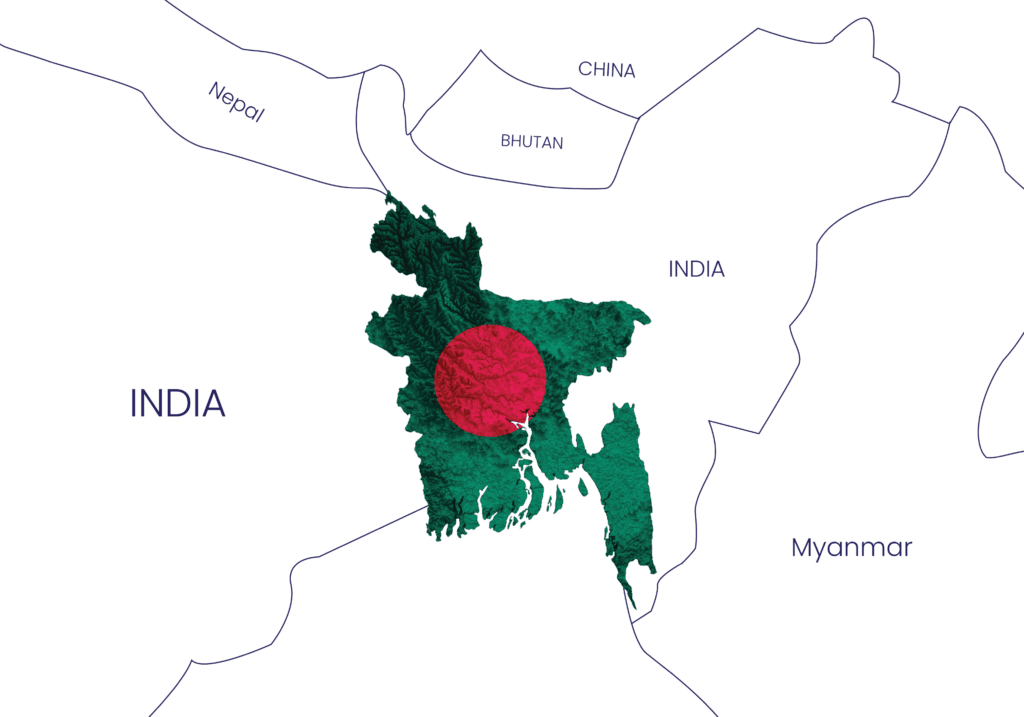
Bangladesh lies in the heart of South Asia. It shares borders with India on three sides (west, north, and east) and Myanmar to the southeast, with the Bay of Bengal to the south. Neighboring countries include Nepal, Bhutan and China (across Indian Siliguri corridor). (Image idea: world map highlighting Bangladesh in South Asia). This strategic location makes Dhaka a hub for connecting to major Asian destinations.
About Bangladesh
Bangladesh at a Glance
Capital & Currency: Dhaka is the capital and largest city – a dynamic metropolis on the Buriganga River. The country’s currency is the Bangladeshi Taka (BDT).
Religion: Islam is the state religion, with about 91% of people Muslim and a significant Hindu minority (~8%). Bangladesh is one of the world’s most populous Muslim-majority nations with deep traditions of religious tolerance and cultural diversity.
Dhaka (Central)
The historic heart of Bangladesh, bustling with life. Dhaka features vibrant bazaars, Mughal-era architecture like Lalbagh Fort, colonial buildings, and lively street culture. It serves as a cultural hub and a gateway to the country.
Sylhet (Northeast)
Known for its rolling tea gardens, green hills, and scenic rivers. Sylhet is home to unique natural sites such as the Ratargul freshwater swamp forest and Jaflong, a tourist destination near the Indian border, famous for the Piyain River, stone collections, and the indigenous Khasi community. Community-based tourism initiatives are active here.
Barisal (South/Central)
Historic heart of the country. Bustling bazaars, Mughal-era architecture (Lalbagh Fort), colonial buildings, and vibrant street life. Dhaka is known as a cultural hub and gateway to Bangladesh.
Chittagong (Southeast)
A major port city surrounded by lush hill tracts and dense forests. Chittagong offers trekking in mountains like Bandarban and Rangamati, exposure to tribal culture, and is also known for the world’s largest ship-breaking yards.
Khulna (Southwest)
The gateway to the Sundarbans, the world’s largest mangrove forest and a UNESCO World Heritage site. Khulna is home to Bengal tigers, diverse wildlife, and unique mangrove ecosystems, making it a top destination for nature tourism.
Rajshahi (Northwest)
Rich in history, temples, and palaces. Rajshahi is famous for archaeological sites like Paharpur monastery, silk production, and mango orchards. Its rural charm and ancient ruins attract history and culture enthusiasts.
Heritage Unearthed
Heritage & Archaeology
Bangladesh’s heritage sites span from ancient Buddhist relics to colonial palaces. Key attractions include
Somapura Mahavihara (Paharpur, Rajshahi)
An 8th-century Buddhist monastery – one of the largest in South Asia and a UNESCO World Heritage Site. Founded by Pāla kings, it was a major intellectual center until the 12th century. Visitors marvel at its vast brick ruins, intricate carvings and unique square layout that influenced architecture across Asia. (Idea: aerial view of Paharpur ruins)
Sixty Dome Mosque (Bagerhat, Khulna)
Ahsan Manzil (Dhaka)
The Pink Palace of Dhaka (mid-19th century). Once the luxurious residence of the Nawabs of Dhaka on the Buriganga riverbank, it is today a museum of colonial-era artifacts. Built 1859–1872, this Indo-Saracenic palace’s distinctive pink façade is an icon of Old Dhaka. (Idea: photo of Ahsan Manzil at sunset)
Panam Nagar (Sonargaon, near Dhaka)
Lalbagh Fort (Dhaka)
Star Mosque (Dhaka)
Armenian Church (Dhaka)
Dhakeshwari Temple (Dhaka)
Kantajew Temple (Dinajpur, Rangpur):
Puthia Temple Complex (Puthia, Rajshahi)
People & Festivals
Celebrating Diversity Through Rhythm, Ritual & Joy
Bangladesh is predominantly Bengali-speaking and known for its tolerant, multi-religious culture. While Islam is the majority religion, Hindus, Buddhists and Christians are vibrant minorities. Festivals of all faiths are celebrated nationally, reflecting communal harmony.
Pohela Boishakh (Bengali New Year, mid-April)
The most colorful national festival. Streets come alive with parades, fairs, and folk music as people wear new clothes and enjoy traditional sweets (pitha). It marks the beginning of the Bengali calendar with joy and optimism.
Eid-ul-Fitr and Eid-ul-Adha
Major Muslim holidays celebrated widely across Bangladesh. Families gather for communal prayers and festive meals, including biryanis and sweets, while cities and towns are decorated with lights and vibrant celebrations.
Durga Puja (Autumn)
The largest Hindu festival in Bangladesh, celebrated with ornate idols of Goddess Durga, music, dance, and community feasts. Dhaka’s old neighborhoods and many towns come alive with devotion and cultural displays.
Barodi Mela (Rash Purnima, Narayanganj)
A spiritual and cultural fair centered around the historic Loknath Brahmachari Ashram. The festival attracts thousands of devotees and visitors, offering an immersive experience of Bangladesh’s living spiritual traditions in a peaceful, welcoming atmospher
Lalon Festival (Cheuriya, Kushtia)
Held twice a year to honor Lalon Fakir, the mystic poet of Bengal. The festival celebrates Baul folk music, night-long performances, and symbolic rituals, giving visitors an authentic experience of Bengal’s mystical and inclusive cultural traditions.
A Taste of Tradition
Cuisine & Cultural Traditions
Bangladeshi cuisine is rich and diverse:
Rickshaws & Local Transport
Decorated cycle rickshaws are ubiquitous in cities and towns – their vibrant paintings often depict local scenes or patterns. They are an iconic part of Dhaka’s culture.
Markets & Bazaars
Chaotic bazaars (New Market, Siddiq Trade Center in Dhaka; Nimtoli and Dishari in old Dhaka) overflow with fabrics, spices, electronics and street food. Bargaining is customary.
Music & Nightlife
Bangladesh has a vibrant music and arts scene, from classical recitals to modern bands. Historic landmarks like Lalbagh Fort and bustling traditional bazaars reflect its rich cultural heritage.
Architecture
Colonial-era mansions, Mughal mosques, and British Raj monuments dot the cities. Dhaka’s Old Town, with narrow lanes, churches, and temples, reflects its layered history.
Life in the Cities
City Life & Folk Art
Urban Bangladesh pulses with life. Some features
Regional Highlights
Biryani & Curries
Dhaka-style biryani and richly spiced Bengali curries are national staples.
Hilsa (Ilish)
The national fish, hilsa is best enjoyed fried or in mustard oil with rice.
Pitha & Sweets
Seasonal rice cakes and traditional sweets like mishti doi are widely loved.
Street Food & Tea
Popular street snacks include fuchka and chotpoti, enjoyed with milk tea.
Handicrafts in Bangladesh
Bangladesh is famed for its traditional crafts
Jute Products
Known as the “golden fiber,” jute is woven into sacks, rugs (proshut), and home décor. Bangladesh is one of the world’s largest jute producers.
Jamdani Weaving
A fine muslin textile tradition, jamdani sarees and fabrics (exquisitely woven with geometric or floral motifs) are prized Bengali heritage (recently recognized by UNESCO).
Nakshi Kantha
These hand-embroidered quilts and textiles feature colorful, folk-inspired patterns. Often made by rural women from repurposed sari fabrics, nakshi kantha is Bangladesh’s famous quilted art.
Terracotta & Pottery
Clay crafts abound – from decorative terracotta panels (as seen on historical temples) to everyday pots and village clay sculptures.
Bamboo, Cane & Palm Crafts
Artisans weave bamboo and cane into baskets, furniture and mats, while palm leaves are folded into lanterns and toys. (Idea: images of a crafts market with jute products, nakshi kantha, jamdani sarees)
Nature at Its Best
Nature & Wildlife
Sundarbans Mangrove Forest
The UNESCO-listed Sundarbans (Khulna) is a world-renowned wildlife sanctuary. It is the largest mangrove forest on Earth (over 10,000 km² in Bangladesh), home to the iconic Royal Bengal tiger, saltwater crocodile and countless bird species. Boat safaris allow visitors to glimpse these creatures in a primeval setting.
Coastal Beaches & Islands
Cox’s Bazar (Chittagong) boasts the world’s longest natural sea beach (about 120 km of sandy coast). Nearby is St. Martin’s Island, a coral islet with turquoise waters and snorkeling. In the south, Kuakata offers panoramic sunrise and sunset views over the Bay of Bengal.
Hill Tracts & Forests
In the southeast, the Chittagong Hill Tracts (Rangamati, Bandarban, Khagrachari) offer green hills, waterfalls and indigenous tribal villages. The Kaptai Lake in Rangamati and the misty peaks of Bandarban are popular for hiking.
Tea Gardens & Wetlands
Sylhet’s rolling tea estates and rainforests (e.g. Lawachara National Park) contrast with the water-lily covered haors (seasonal wetlands) of northeastern Bangladesh. Mangroves, swamps like Ratargul, and wildlife reserves (e.g. Cox’s Bazar’s Himchari National Park) add to the country’s ecological diversity.
Bangladesh’s mix of festivals, flavors, and friendly people ensures that every visitor leaves with unforgettable memories. Whether exploring ancient temples, savoring spicy curries, cruising down a tropical river, or mingling in Dhaka’s lively streets, Bangladesh offers a truly immersive travel experience for agents and tourists alike.